Engineering that makes the part cheaper to build.
CAD design, die simulation, design-for-manufacturability, material selection, and tolerance optimization, early engineering that minimizes tooling revisions and downstream production issues.
Engineering-driven manufacturing leads to better tooling, lower costs, and more stable production. Our team supports every stage, R&D, reverse engineering, design, and prototyping, and brings design-for-manufacturability thinking to the part before a chip is cut.
Design for manufacturability, from day one
DFM optimizes the manufacturing process to create top-quality products by addressing challenges and constraints early in design. The payoff: regulatory compliance, better quality, lower cost through reduced manufacturing time, fewer defects, and less complexity.
Early involvement means we catch the expensive problems on the screen, not on the press.
- CAD design & die simulation
- Material selection & optimization
- Tolerance optimization (GD&T)
- R&D, reverse engineering & prototyping
We speak your CAD
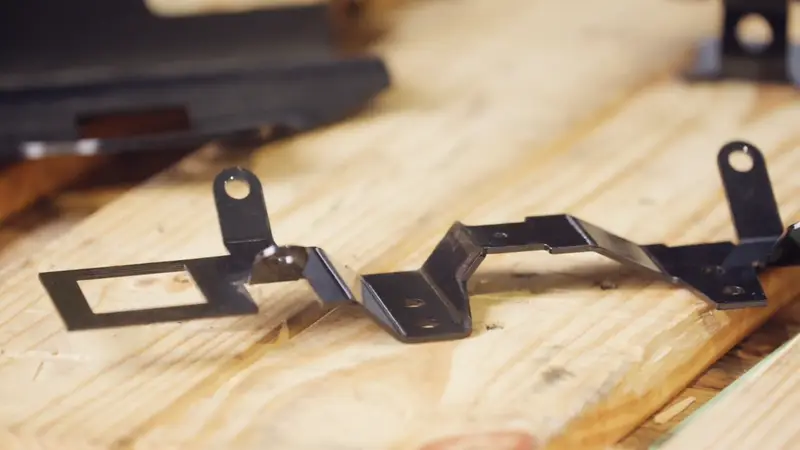
We work in SolidWorks, AutoCAD, and Autodesk Inventor, and accept .dwg, .dxf, .igs, .sat, and .stp files (plus 3D Inventor and native SolidWorks). 3D platforms handle multi-bend parts; 2D is preferred for direct-to-die layouts.
The fundamentals, proper bend radii, material thickness, K-factors, and bend allowances, are where accurate, manufacturable patterns come from. That's the work our engineers do before your tool exists.
What our engineers deliver
Early design engineering improves manufacturability, minimizes tooling revisions, and reduces downstream production issues.
Design & engineering services
- CAD design
- Die simulation
- Material optimization
Design for manufacturability (DFM) delivers
- Complies with regulatory standards
- Improves overall product quality
- Lowers costs through reduced manufacturing time
- Minimizes defects
- Reduces product complexity
Supported CAD file formats
- .dwg
- .dxf
- .igs
- .sat
- .stp
- 3D Inventor
- AutoCAD
- SolidWorks
Fewer tooling revisions
Catching issues in design saves costly changes once the die is cut.
Lower part cost
DFM reduces manufacturing time and complexity, and the price with it.
Higher quality
Optimized tolerances and materials mean fewer defects in production.
Faster to production
Manufacturable designs move from prototype to production without stalls.
Better tooling
Engineering and tool-making under one roof produce dies that last.
Regulatory-ready
DFM helps ensure the part complies with the standards your industry demands.
Frequently asked
We work in SolidWorks, AutoCAD, and Autodesk Inventor and accept .dwg, .dxf, .igs, .sat, and .stp files, plus native SolidWorks and 3D Inventor files.
Yes, reverse engineering is part of our design services. Bring us a sample or drawing and we'll work from there.
We do. We align your requirements with standard stamping-die capabilities using GD&T so you get the tightest practical tolerances without unnecessary cost.
Bring us a concept or a print.
Our engineers will help you design a part that's built to be built.